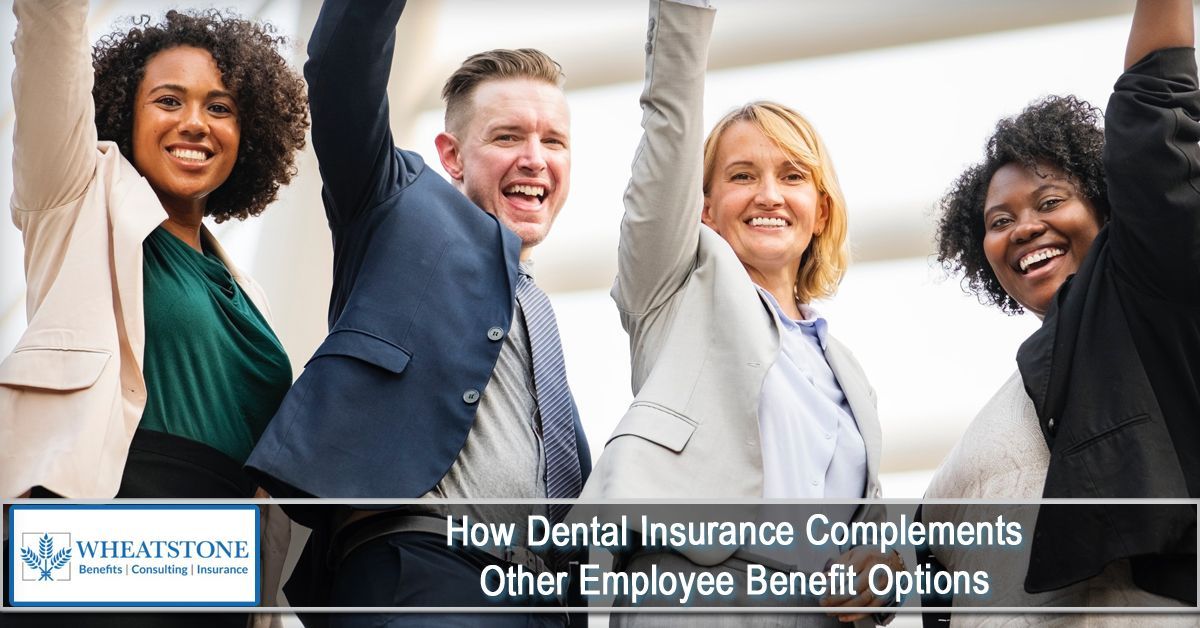

How Dental Insurance Complements Other Employee Benefit Options
November 20, 2025

Employee benefits play a major role in workplace satisfaction, retention, and overall wellness. While health insurance is often the centerpiece of a benefits package, dental insurance is a key complement that can significantly enhance the value of employer offerings. Many employees underestimate their dental health until something goes wrong—and without coverage, out-of-pocket costs can be substantial.


Offering dental insurance alongside medical, vision, and supplemental benefits helps support employees’ total well-being and demonstrates a company’s commitment to long-term health. For employers in areas like Houston, TX, where competition for skilled workers continues to grow, a comprehensive benefits package—including dental coverage—can be a meaningful differentiator.


Why Dental Insurance Matters in Employee Benefits

Dental health is closely tied to overall health. Issues like gum disease have been linked to more serious conditions including heart disease and diabetes. Dental insurance encourages preventive care, reducing the risk of expensive treatments later.


Key reasons dental coverage enhances benefit packages:

  • Encourages routine cleanings and exams
  • Reduces long-term medical expenses tied to poor oral health
  • Supports employee confidence, comfort, and well-being
  • Helps employees avoid costly out-of-pocket dental emergencies


How Dental Insurance Supports Other Benefits

Dental insurance doesn’t just stand alone—it's part of a larger ecosystem of health-related protections.

1. Complements Medical Insurance

Medical insurance may cover major medical procedures, but it usually doesn’t include dental care. Dental plans fill that gap, promoting preventative care and reducing avoidable health complications.


2. Enhances Vision and Wellness Offerings

Many providers bundle dental with vision and wellness packages, creating a unified, easy-to-understand benefit structure. This simplifies enrollment and makes benefits more appealing to employees.


3. Supports Life and Disability Insurance

Oral health issues can lead to chronic illnesses that potentially increase disability claims or health insurance usage. Preventive care lowers the risk of complications and supports overall employee health.


4. Improves Employee Participation in Optional Benefits

When employees see value in one benefit (like dental), they are more likely to opt into other offerings, such as:

  • HSA or FSA accounts
  • Supplemental life insurance
  • Accident or critical illness coverage


Benefits for Employers

Adding dental insurance to employee benefit packages offers measurable advantages, including:

  • Higher retention and reduced turnover
  • Better recruitment outcomes
  • Improved employee morale and productivity
  • Competitive advantages in tight job markets


Some dental insurance plans also come at a minimal cost to employers, with many offering voluntary options employees can contribute to fully.


What Makes a Strong Dental Plan?

To best integrate dental insurance into a benefits package, employers should look for:

  • Preventive coverage with 100% cleanings and exams
  • Basic and major restorative coverage
  • Orthodontic benefits (optional but highly valued)
  • Large provider networks and flexible plan tiers


Offering a choice between PPO and HMO dental plans allows employees to select what fits their needs and budget.


Local Consideration Example

If your business is located in Houston, TX, offering dental insurance may help you compete with other companies in the area that also prioritize employee benefits and health-focused workplace culture.


How Employees Benefit Directly

Employees gain both financial and lifestyle advantages when dental insurance is included in their benefits package:

  • Lower out-of-pocket dental expenses
  • Access to preventive care and early treatment
  • Improved confidence with better oral health and appearance
  • Reduced risk of expensive emergency treatments


Conclusion

Dental insurance may seem like a small addition to a benefits package, but its impact is meaningful. It supports employee health, aligns with medical and supplemental insurance, and strengthens the overall value of workplace benefits. Whether you're an employer in Houston, TX, or elsewhere, offering dental insurance alongside other health protections is a smart investment in employee well-being—and your organization’s long-term success.


A well-rounded benefits package doesn’t just attract talent—it retains it. And dental insurance is one piece that helps complete the picture.


At Wheatstone Benefits Group, LLC, we aim to provide comprehensive insurance policies that make your life easier. We want to help you get insurance that fits your needs. Get in touch with our company at 
(713) 470-0222 to learn more about our offerings. Today, by CLICKING HERE, you may get a free estimate.


Disclaimer: The information presented in this blog is intended for informational purposes only and should not be considered as professional advice. It is crucial to consult with a qualified insurance agent or professional for personalized advice tailored to your specific circumstances. They can provide expert guidance and help you make informed decisions regarding your insurance needs.

May 19, 2026
Long-term care planning is easy to postpone until a health change, injury, or family caregiving need makes it urgent.
May 19, 2026
Life insurance is designed to provide financial protection for loved ones, but every policy has rules that determine when benefits are paid
May 11, 2026
Dental benefits can be a practical way to support employees, but employers have more than one way to offer them. For businesses in Houston, TX, understanding
May 11, 2026
Small businesses often want to offer health coverage but are not always sure which option fits their budget, workforce, and administrative capacity.
April 26, 2026
Long-term care insurance helps pay for extended care services when a person needs assistance with daily living activities or supervision due to aging, illness, or cognitive decline.
April 26, 2026
Couples life insurance usually refers to coverage that protects two people under one policy structure, often through a joint life policy or a coordinated planning approach using two individual policies.
April 15, 2026
EPO and POS dental plans are both managed-care dental options, but they handle provider access and out-of-network care differently. An EPO dental plan usually requires members to stay within the network for coverage, while a POS dental plan may allow some out-of-network benefits, often with higher employee cost sharing
April 15, 2026
In group health insurance, participation refers to the percentage of eligible employees who must enroll in the employer-sponsored plan for the coverage to be issued or maintained. It matters because even if an employer wants to offer benefits, the carrier may require a minimum level of employee enrollment before approv
March 18, 2026
An LTC elimination period is the waiting period you must satisfy after you qualify for long-term care benefits before the policy begins paying. It matters because even if the policy is active and you meet the benefit trigger, the insurer usually does not start reimbursement immediately.
March 18, 2026
Variable life insurance is a form of permanent life insurance that combines a death benefit with investment-linked cash value. It can offer greater growth potential than more conservative permanent policies, but it also comes with more volatility, more complexity, and a greater need for active review.
Show More