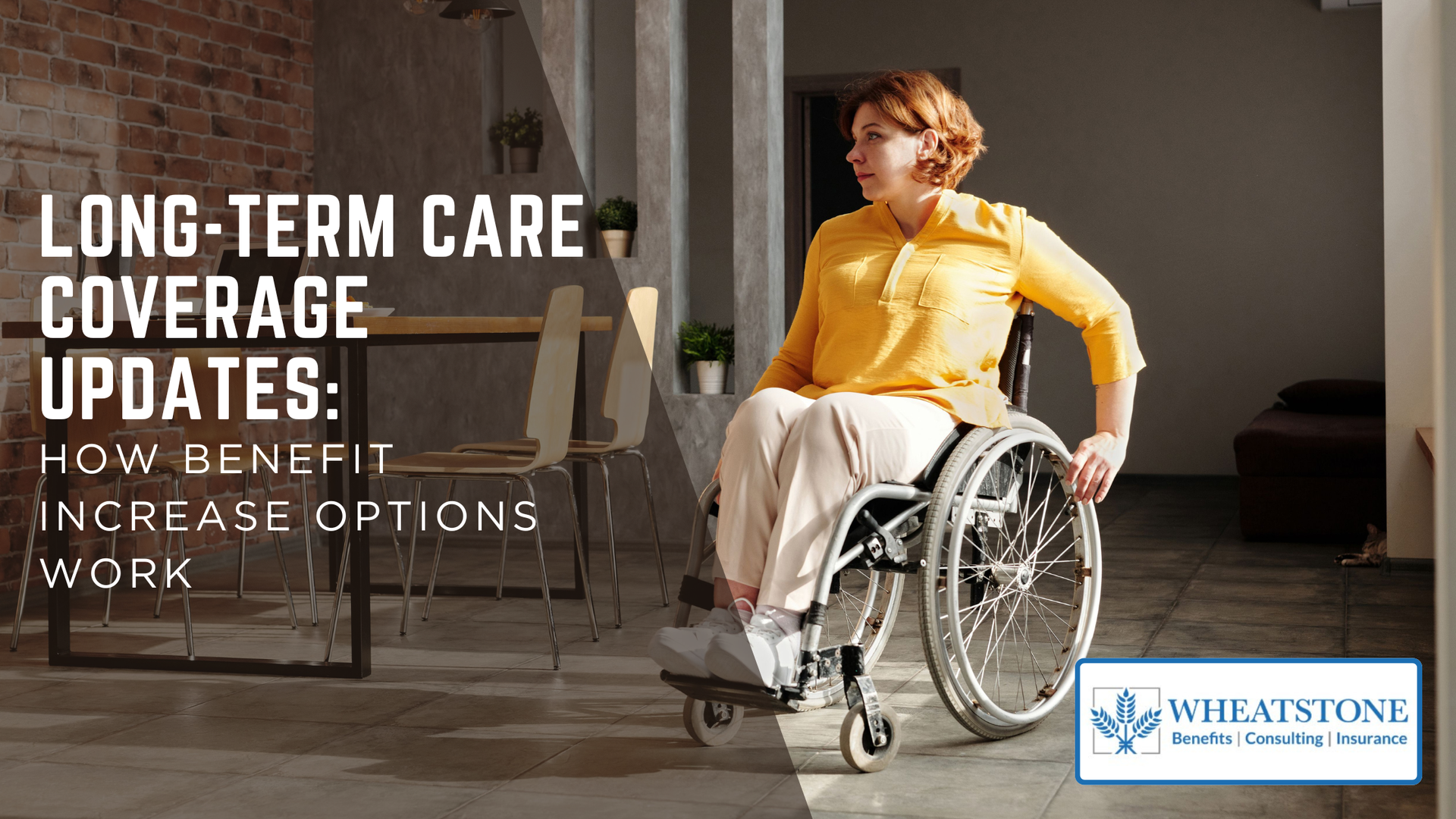
Life is unpredictable. An illness, injury, or medical condition can suddenly prevent you from working, even if only for a short period. That’s
where short-term disability (STD) insurance comes in. This type of coverage provides a safety net by replacing a portion of your income while you recover and get back on your feet.
For many employees and employers alike, understanding how short-term disability insurance works is essential for financial protection and peace of mind. Let’s explore the key details—what it covers, how it works, and why it’s an important part of your overall benefits plan.
What Is Short-Term Disability Insurance?
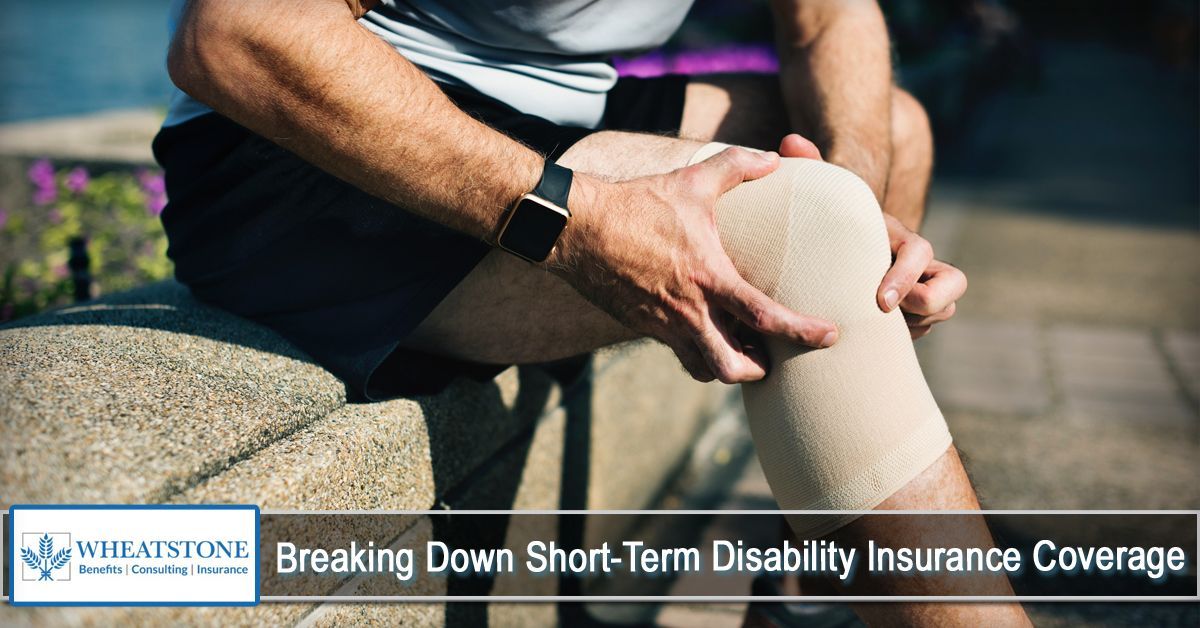
Short-term disability insurance is designed to replace part of your income if you’re temporarily unable to work due to a non-work-related illness, injury, or medical condition. Unlike workers’ compensation, which applies to on-the-job injuries, STD insurance covers health issues that occur outside the workplace.
Typical Features Include:
- Income replacement: Usually between 40% and 70% of your regular earnings.
- Coverage duration:
Benefits typically last from 9 to 26 weeks, depending on your policy.
- Elimination (waiting) period: Most plans require a waiting period—often 7 to 14 days—before benefits begin.
- Medical certification:
A physician must verify your inability to work due to a covered condition.
What Does Short-Term Disability Cover?
STD insurance provides coverage for a range of temporary medical conditions that prevent you from performing your job duties.
Commonly Covered Situations Include:
- Serious illnesses (e.g., pneumonia, cancer treatment recovery)
- Non-work-related injuries (e.g., broken bones, sprains)
- Surgery and post-operative recovery periods
- Pregnancy and maternity leave (often a major reason for STD claims)
- Certain mental health conditions (if certified by a medical professional)
Conditions Typically Not Covered:
- Workplace injuries (covered under workers’ compensation)
- Self-inflicted injuries
- Disabilities due to substance abuse (in some cases)
- Cosmetic surgery not medically necessary
How Short-Term Disability Insurance Works
Once an employee experiences a qualifying disability:
- File a claim:
You’ll submit a claim form along with medical documentation confirming your condition.
- Wait for approval:
The insurance carrier reviews the claim and verifies eligibility.
- Serve the waiting period:
Benefits typically begin after the elimination period (usually 1–2 weeks).
- Receive payments: Approved claimants receive weekly or biweekly payments replacing a portion of lost income.
- Return to work: Benefits stop once you return to work or reach the maximum benefit period.
Employer-Provided vs. Individual Plans
Short-term disability coverage can be obtained through an employer-sponsored plan or purchased individually.
Employer-Sponsored STD Insurance
- Often provided as part of an employee benefits package.
- Premiums may be fully or partially paid by the employer.
- Enrollment usually happens during open enrollment periods.
Individual STD Insurance
- Available through private insurers for self-employed or contract workers.
- Premiums are paid entirely by the policyholder.
- Offers more customization in benefit amount and coverage length.
Example: In Houston, Texas, many employers include short-term disability insurance in their group benefits packages to help employees recover financially after medical leave. Self-employed professionals in Texas can also purchase private disability policies to maintain income stability in case of illness or injury.
How Much Coverage Do You Need?
Choosing the right amount of coverage depends on your financial situation, income level, and household expenses.
Consider the following factors when evaluating your needs:
- Monthly bills (rent, mortgage, utilities, car payments)
- Dependents and family expenses
- Emergency savings available
- Employer sick leave policies
- Duration of coverage (9, 13, or 26 weeks)
A good rule of thumb is to select a benefit amount that will cover essential living costs during your recovery period.
Short-Term Disability and Other Benefits
STD insurance often works in conjunction with other benefits, such as:
- Long-Term Disability (LTD) Insurance: Provides income replacement beyond the short-term period, often lasting several years.
- Sick Leave: May cover the waiting period before STD benefits begin.
- Family and Medical Leave Act (FMLA): Offers job protection but not income replacement.
These benefits can overlap, so it’s important to coordinate with your HR department or insurance advisor to avoid gaps or duplications in coverage.
Advantages of Having Short-Term Disability Insurance
For Employees:
- Financial security during recovery
- Reduced stress while focusing on health
- Protection from draining savings or going into debt
For Employers:
- Supports employee wellness and retention
- Reduces absenteeism and turnover
- Promotes a healthier, more loyal workforce
In competitive job markets like Houston, Texas, employers who offer comprehensive short-term disability coverage stand out as supportive and employee-focused organizations.
Common Myths About Short-Term Disability Insurance
“It’s the same as workers’ compensation.”
False. STD covers non-work-related illnesses and injuries.
“I don’t need it—I have savings.”
Most people underestimate recovery time. A few weeks without income can quickly drain savings.
“My employer automatically provides it.”
Not always. Some employers offer voluntary plans where you pay the premiums yourself.
“It’s only for severe disabilities.”
Even temporary conditions, like surgery recovery or pregnancy leave, often qualify.
Final Thoughts
Short-term disability insurance is a vital part of protecting your financial well-being when life takes an unexpected turn. It bridges the income gap between your last paycheck and your return to work, ensuring you can focus on healing instead of worrying about bills.
For workers and employers in Houston, Texas, offering or enrolling in short-term disability coverage is a smart, proactive step toward financial resilience and employee wellness. With the right plan, you can face temporary setbacks with long-term confidence.
At Wheatstone Benefits Group, LLC, we aim to provide comprehensive insurance policies that make your life easier. We want to help you get insurance that fits your needs. Get in touch with our company at (713) 470-0222 to learn more about our offerings. Today, by CLICKING HERE, you may get a free estimate.
Disclaimer: The information presented in this blog is intended for informational purposes only and should not be considered as professional advice. It is crucial to consult with a qualified insurance agent or professional for personalized advice tailored to your specific circumstances. They can provide expert guidance and help you make informed decisions regarding your insurance needs.