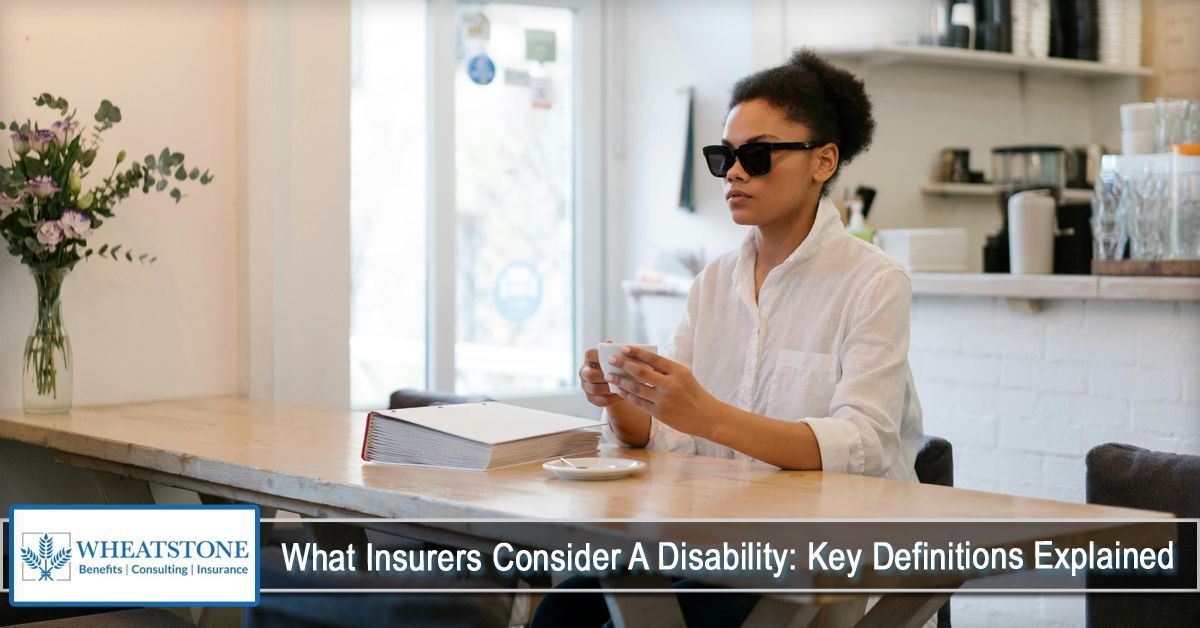

When it comes to disability insurance, one of the most misunderstood aspects is how insurers actually define a disability. Many people assume that being unable to work at all is the only qualifier, but in reality, disability definitions vary widely across policies. Understanding these definitions is crucial for ensuring you have the right coverage—and knowing when you’re eligible to file a claim.
If you live in Houston, TX, it’s especially important to understand how disability insurance works in your state, as local regulations and policy structures can influence coverage terms.
Understanding Disability Insurance
Disability insurance is designed to replace a portion of your income if an illness or injury prevents you from working. There are two primary types:
- Short-term disability (STD): Covers temporary disabilities that typically last from a few weeks to six months.
- Long-term disability (LTD): Kicks in after the short-term period and can provide income replacement for several years—or even until retirement, depending on the policy.
But to receive these benefits, your insurer must first determine that you meet their definition of “disabled.”
How Insurers Define a Disability
Not all disabilities are defined equally. The way your insurer defines “disability” can have a major impact on whether you qualify for benefits. Here are the most common types of definitions used in disability insurance policies:
1. Own-Occupation Disability
This definition means you’re considered disabled if you can’t perform the duties of your specific job, even if you could still work in another capacity.
Example: A surgeon who injures their hand may not be able to operate but could teach medicine. Under an own-occupation policy, they’d still qualify for benefits.
2. Any-Occupation Disability
This stricter definition considers you disabled only if you cannot perform any job suited to your education, experience, or training.
Example: If you can no longer do your previous work but could still take on another type of job, you may not qualify.
3. Partial or Residual Disability
Some policies include partial disability coverage, allowing you to receive benefits if you can work only part-time or at a reduced capacity due to illness or injury.
Example: If you return to work but earn less because of reduced hours, you might receive partial benefits to make up for lost income.
4. Presumptive Disability
This applies when a severe condition automatically qualifies you as disabled—such as the permanent loss of sight, hearing, or the use of limbs—regardless of your ability to continue working.
Common Conditions That May Qualify as a Disability
While each insurer evaluates conditions differently, the following are often covered under disability insurance:
- Severe musculoskeletal injuries (e.g., back or neck injuries)
- Chronic illnesses like cancer or multiple sclerosis
- Cardiovascular events such as heart attacks or strokes
- Mental health disorders, including depression and anxiety (coverage may vary)
- Neurological disorders such as Parkinson’s or epilepsy
Remember: the specifics depend on your insurer’s definitions and exclusions. Always review your policy’s fine print carefully.
Factors That Influence Disability Determinations
Insurers evaluate several elements when deciding if a claim qualifies as a disability:
- Medical documentation – Detailed physician reports and diagnostic results are critical.
- Job duties and physical requirements – Insurers assess how your condition impacts your ability to perform your work.
- Policy language – Small wording differences in your policy can significantly change what’s covered.
- State regulations – In states like Houston, TX, disability policies must adhere to local insurance laws that may define claim criteria or consumer protections differently.
Short-Term vs. Long-Term Disability: How Definitions May Differ
Disability insurance definitions may also vary based on the duration of your coverage:
- Short-term policies typically focus on temporary health issues like recovery from surgery or accidents.
- Long-term policies focus on more serious or lasting impairments that prevent you from returning to your profession for an extended period.
Some long-term disability policies even transition from an “own-occupation” definition to an “any-occupation” definition after a certain number of years.
Why Clear Policy Definitions Matter
Understanding how your insurer defines disability helps you:
- Know when you’re eligible to file a claim
- Avoid claim denials due to misunderstandings
- Choose the right type of policy for your occupation and lifestyle
- Ensure your family’s financial stability during unexpected health challenges
A few minutes spent reading your policy’s definition section can prevent months of confusion or dispute later.
If you’re exploring your disability insurance options in Houston, TX, consulting with a local insurance professional can help you understand which policies provide the best protection for your income and lifestyle.
Conclusion
Every disability insurance policy defines “disability” in its own way—and those differences matter when life takes an unexpected turn. Knowing how your insurer classifies various conditions and situations can make the difference between a smooth claims process and a frustrating denial.
Before signing or renewing your policy, review its definitions carefully, ask questions, and make sure your coverage aligns with your career, health risks, and personal needs. In places like Houston, TX, where diverse industries and professions demand tailored coverage, understanding these details is the key to securing lasting financial peace of mind.
At Wheatstone Benefits Group, LLC, we aim to provide comprehensive insurance policies that make your life easier. We want to help you get insurance that fits your needs. Get in touch with our company at (713) 470-0222 to learn more about our offerings. Today, by CLICKING HERE, you may get a free estimate.
Disclaimer: The information presented in this blog is intended for informational purposes only and should not be considered as professional advice. It is crucial to consult with a qualified insurance agent or professional for personalized advice tailored to your specific circumstances. They can provide expert guidance and help you make informed decisions regarding your insurance needs.